Whole-Home Humidifiers for Connecticut Winters
A whole-home humidifier adds moisture to the air as your furnace runs, keeping every room comfortable through dry Connecticut winters. Call The Bee installs and services whole-home humidifiers for homeowners throughout the state who are dealing with static shocks, dry skin, scratchy throats, and gaps opening up in their hardwood floors. Instead of filling portable units every morning, you get steady, controlled humidity from your heating system.
Cold outdoor air holds very little moisture. When that air leaks into your home and your furnace heats it, relative humidity indoors can drop into the teens during a January cold snap. For homes in Connecticut that run the heat from fall through early spring, that means months of uncomfortably dry air.
Signs Your Home Air Is Too Dry
- Frequent static shocks from doorknobs, blankets, and light switches
- Dry, itchy skin and chapped lips that lotion does not fix
- Waking up with a sore throat, dry sinuses, or nosebleeds
- Gaps between hardwood floorboards that close back up in summer
- Cracks in wood trim, cabinets, furniture, or musical instruments
- Paint or wallpaper starting to separate at seams
- The house feeling colder than the thermostat setting
That last sign surprises a lot of people. Dry air pulls moisture from your skin, which makes you feel cooler. Many homeowners find they can lower the thermostat a degree or two once humidity is balanced and stay just as comfortable.
Types of Whole-Home Humidifiers We Install
Bypass humidifiers
Bypass models route a portion of warm air from your furnace through a water panel, then send the humidified air back into the ductwork. They have few moving parts and are a common, budget-friendly choice for forced-air systems.
Fan-powered humidifiers
Fan-powered units use a built-in fan to push air through the water panel. They deliver more moisture than bypass models and work well in larger homes or homes that need more humidity to stay comfortable.
Steam humidifiers
Steam humidifiers boil water and release steam directly into the ductwork. They put out the most moisture, respond quickly to changes, and work even when the furnace is not producing heat, which makes them a strong option for heat pump systems and very dry homes.
Your technician will recommend a model based on your heating equipment, the size of your home, and how tight or drafty it is.
Finding the Right Indoor Humidity Level
The EPA recommends keeping indoor relative humidity between 30 and 50 percent. On the coldest Connecticut nights, the right setting is often near the low end of that range, because too much moisture can condense on cold windows. Modern humidifier controls can adjust automatically based on outdoor temperature, so you get comfort without water dripping down the glass.
Humidity is a balancing act all year. Winter calls for adding moisture, while summer in Connecticut usually calls for removing it. If your basement feels damp or the house is muggy in July, pair your humidifier with a whole-home dehumidifier for year-round control.
Benefits of a Whole-Home Humidifier
- Comfort: Fewer static shocks, less dry skin, and easier breathing at night
- Protection for your home: Hardwood floors, trim, furniture, and pianos hold up better with stable humidity
- Lower heating costs: Balanced air feels warmer, so you may be able to set the thermostat lower
- Less hassle: No daily refilling or cleaning of portable units
- Quiet operation: Everything happens inside your HVAC system
Installation and Maintenance
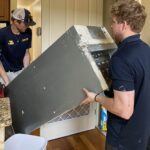
Installing a whole-home humidifier usually takes a few hours. Your technician mounts the unit on your furnace or ductwork, connects a water supply and drain line, wires it to your system, and sets up the humidity control. Before installation, we check your furnace to make sure it is in good shape, since the humidifier works alongside it. You can learn more about keeping your furnace ready for winter through our heating services.
Most humidifiers need a new water panel once a year, usually before heating season starts. Connecticut has areas with hard water, and mineral buildup shortens panel life, so homes on well water or hard municipal water may need more frequent changes. If hard water is a problem throughout your home, our water treatment services can help.