Heating Safety and Condition Checks for Connecticut Homes
A heating inspection tells you whether your furnace, boiler, or heat pump is safe to run and how much life it has left. Call The Bee inspects heating systems for homeowners throughout Connecticut, whether you just bought a house, inherited an older system, or want answers before another winter.
An inspection is different from a tune-up. A tune-up cleans and adjusts the equipment so it runs efficiently. An inspection is a closer look at safety and condition: what’s wearing out, what poses a risk, and what you can expect to spend in the next few years. If you just need routine cleaning, our heating maintenance service is the better fit. If you need both, a technician can tell you which one to start with.
What a Heating Inspection Covers
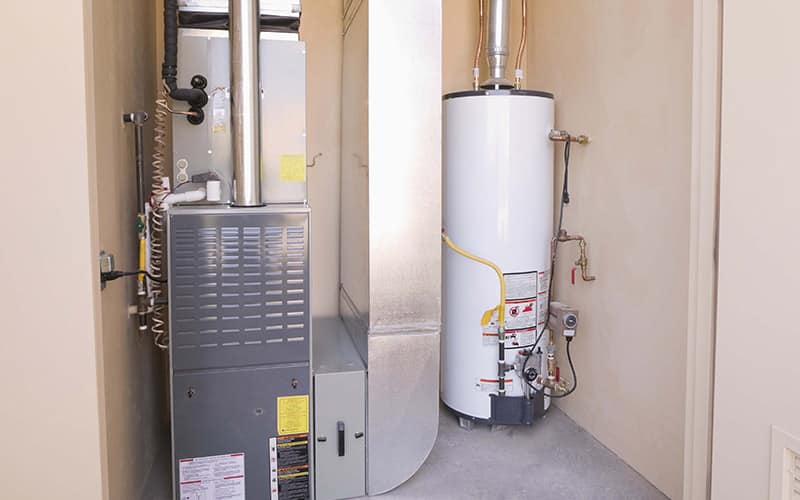
Our licensed technicians check the full system, not just the burner or the thermostat. Every inspection includes:
- Carbon monoxide testing at the appliance and in the surrounding living space
- Venting, flue pipe, and chimney connection, checked for blockages, rust-through, and proper draft
- Heat exchanger condition on furnaces, where a crack can let combustion gases into your air
- Gas line connections tested for leaks, or oil lines, filter, and nozzle on oil-fired equipment
- Safety controls, including limit switches, flame sensors, and pressure relief valves
- Electrical connections, wiring, and the thermostat’s response
- Boiler expansion tanks, circulator pumps, and visible piping for leaks or corrosion
- Heat pump refrigerant pressures, defrost operation, and backup heat
- Smoke and carbon monoxide detectors near the heating equipment and sleeping areas
When to Schedule a Heating Inspection
Most homeowners don’t need a full inspection every year if the system gets regular maintenance. A heating inspection makes sense when:
- You’re buying or selling a home. Connecticut requires sellers of one- and two-family homes to provide a signed affidavit about smoke and carbon monoxide detectors at closing, and buyers want to know the heating system’s real condition before it becomes their problem.
- You moved into a home with an older system and no service records
- A carbon monoxide alarm went off, or you notice soot, a fuel smell, or a yellow burner flame
- The system sat unused through a vacancy, a renovation, or a long stretch out of state
- Your equipment is 15 years old or more and you’re weighing repair against replacement
- Your basement took on water and the boiler or furnace may have been affected
If you smell gas, leave the house first and call your gas utility from outside. Once the line is safe, our team can inspect the equipment.
Inspections for Oil, Gas, and Heat Pump Systems
Connecticut homes run on a real mix of heating fuels. Towns with natural gas lines often have gas furnaces or boilers, while many homes outside those lines still heat with oil. Heat pumps and mini-splits keep showing up in additions and new construction. Some homes have two systems, such as an oil boiler for the main floors and a mini-split in a finished attic, and an inspection should cover both.
Each system has its own weak points. On oil boilers, we look at the burner, the oil filter and supply lines, and soot buildup that signals poor combustion. On gas furnaces and boilers, venting and draft get extra attention, because a blocked or backdrafting flue is one of the most common sources of carbon monoxide in a home. On heat pumps, we check refrigerant pressures, defrost cycles, and whether the backup heat comes on when it should. Call The Bee’s technicians are EPA-certified for refrigerant work and service all brands.