Whole-Home Air Cleaners for Connecticut Homes
A whole-home air cleaner installs directly into your heating and cooling system and cleans the air in every room each time your system runs. Call The Bee installs and services whole-home air cleaners for homeowners throughout Connecticut who are tired of dusty surfaces, pet dander, and seasonal allergy flare-ups. Unlike a portable unit that only helps one room, a whole-home system works quietly in the background, out of sight, all year long.
Connecticut gives indoor air plenty to deal with. Oak and birch pollen coat cars and windowsills every spring, ragweed takes over in late summer, and long heating seasons keep homes closed up for months. A whole-home air cleaner captures far more of what circulates through your ducts than a standard 1-inch filter.
How Whole-Home Air Cleaners Work
Your furnace or air handler moves all of the air in your home through the return ducts several times an hour. A whole-home air cleaner sits in that path, usually right next to the equipment, so every pass through the system is another chance to pull particles out of the air.
Electronic air cleaners
Electronic models give airborne particles an electrical charge, then collect them on oppositely charged plates or media. Because they capture particles electrically instead of relying only on a dense filter, they can trap very fine particles like smoke and dust while keeping airflow strong. Collector cells are washable, so there is no filter to throw away.
Media air cleaners
Media air cleaners use a deep, pleated filter cabinet, usually 4 to 5 inches thick. The extra surface area catches more particles with less resistance than a thin filter. For homeowners comparing options, our air filtration services page covers filter ratings and media cabinets in more detail.
Hybrid systems
Some systems combine a charging section with high-efficiency media for strong particle capture and longer intervals between maintenance. Your technician will explain which design fits your system and your goals.
What an Air Cleaner Removes From Your Home
- Household dust and dust mite debris
- Pollen from trees, grass, and ragweed
- Pet dander and hair
- Smoke particles from cooking, fireplaces, wood stoves, and wildfire haze
- Mold spores circulating in the airstream
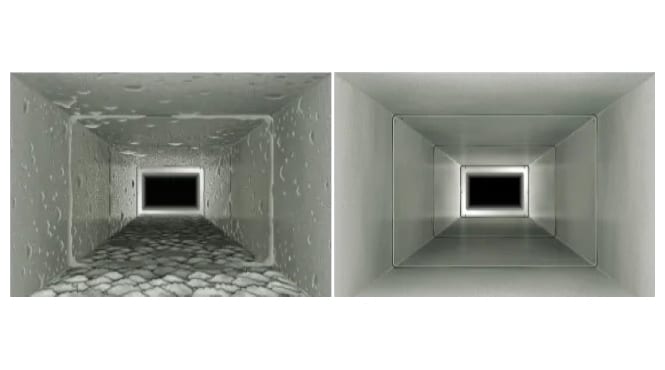
- Lint and fibers that build up on vents and furniture
Air cleaners are built to capture particles. Odors, chemical fumes, and gases from paint or cleaning products need a different approach. If those are your main concern, whole-home air purification is designed to handle them, and many homes benefit from pairing the two.
Signs Your Home Could Use an Air Cleaner
- Dust reappears on shelves and furniture within a day or two of cleaning
- Someone in the house has allergies or asthma that worsen indoors
- You have pets, especially multiple cats or dogs
- You burn wood or use a fireplace in winter
- Your home is near a busy road, construction, or farmland
- You notice a haze in sunlight streaming through windows
Installation and What to Expect
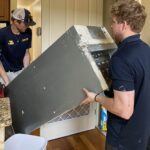
Installation usually takes a few hours. Your technician will:
- Inspect your furnace or air handler and return ductwork to confirm fit and airflow
- Recommend the right air cleaner for your equipment and your home’s needs
- Install the unit in the return air path and connect power for electronic models
- Seal connections so air cannot bypass the cleaner
- Test the system and show you how maintenance works
Proper sizing matters. An air cleaner that restricts airflow can make your furnace or air conditioner work harder, so we check that your system can handle the new unit before installing anything.
Keeping Your Air Cleaner Working Well
Electronic collector cells typically need cleaning every few months. Media filters usually need replacing once or twice a year, depending on household dust levels and pets. Our technicians can handle air cleaner upkeep during routine HVAC maintenance, and members of our Beehive Membership get regular system visits that keep everything on schedule.
Not Sure Where to Start?
If you are not sure whether particles, humidity, or something else is causing your indoor air problems, indoor air quality testing gives you real numbers before you invest in equipment. It is the fastest way to make sure you are fixing the right problem.