Why Heat Pumps Need Maintenance Twice a Year
A heat pump works harder than a furnace or boiler because it runs both heating and cooling seasons instead of just one. We recommend a tune-up in spring, ahead of cooling season, and again in fall, ahead of heating season, so the system enters each mode of operation freshly inspected rather than running for months between checks.
What We Check During a Heat Pump Tune-Up
A tune-up includes refrigerant charge verification, outdoor and indoor coil cleaning, a defrost cycle test, and a check of electrical connections and the outdoor unit’s clearance from leaves, snow, or debris. A dirty coil forces the system to work harder to move the same amount of heat, which can noticeably raise energy use even when the system otherwise seems to be running fine.
Cold-Climate Heat Pumps and Connecticut Winters
Cold-climate heat pump models are rated to deliver meaningful heating output at outdoor temperatures well below freezing, verified through independent efficiency testing rather than marketing claims alone. Maintaining that performance through a Connecticut winter depends heavily on the defrost cycle working correctly, since ice buildup on the outdoor coil is the most common cause of reduced heat pump output during a cold snap.
Dual-Fuel Systems: Maintaining a Heat Pump Paired With a Furnace
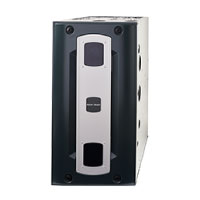
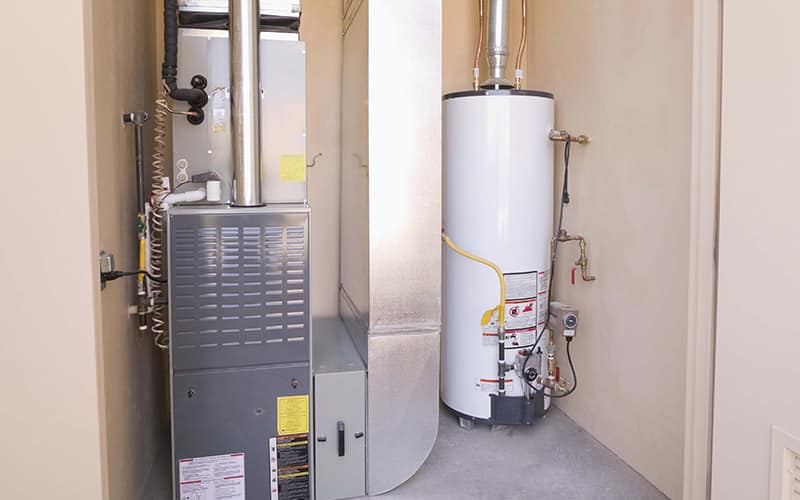
A dual-fuel, or hybrid, system pairs a heat pump with a gas furnace backup, with the heat pump handling most heating hours at peak efficiency and the furnace stepping in automatically once outdoor temperatures drop past the system’s balance point. Maintaining a dual-fuel system means tuning up both halves, not just the heat pump, since a furnace that only runs during the coldest weeks of the year still needs its own annual inspection.